
Deriv API Guide: Getting Started for Developers
Get a Free DBot on Deriv: Complete Setup Guide
DBot is Deriv's drag-and-drop automation tool built for trading options and multipliers on synthetic indices without writing code. If you're in Kenya and looking for free DBot scripts along with a safe way to configure them, this guide walks through where to find them, how to load an XML file and what to check before running any bot live. Start by opening a Deriv account so you can test bots on a demo balance first.
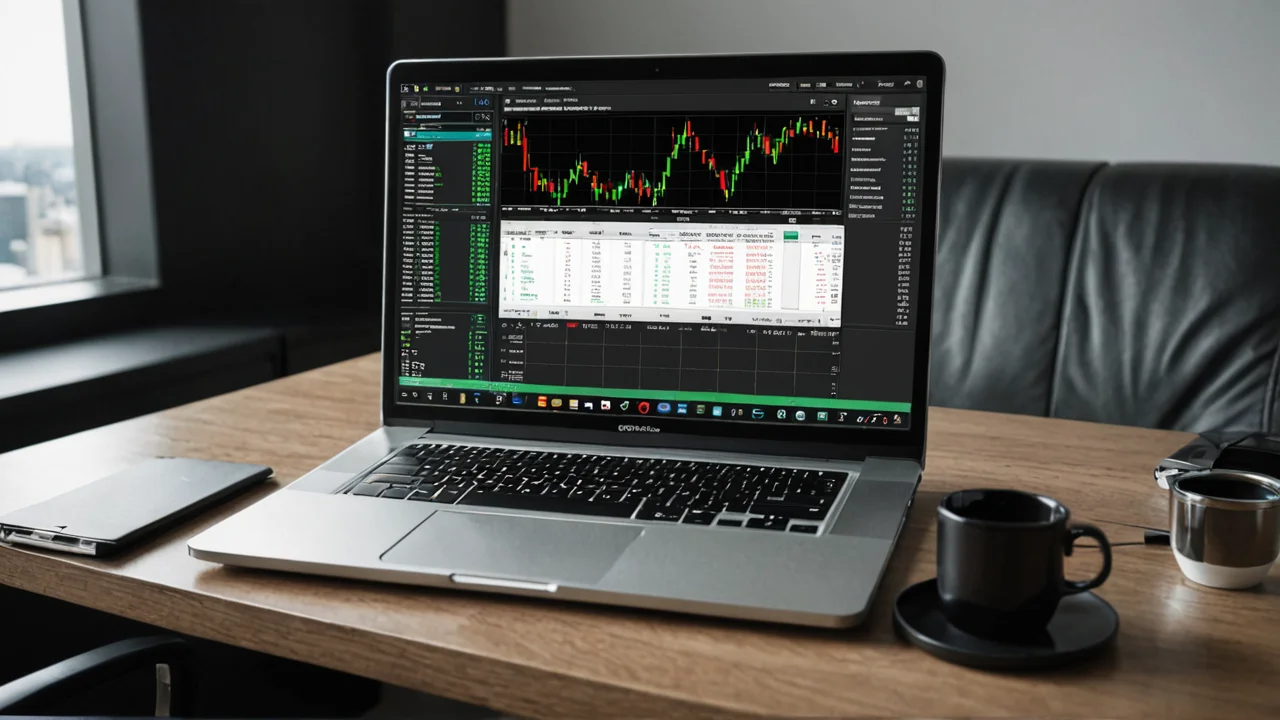

What Is DBot And Why Kenyan Traders Use It
DBot is a visual, block-based builder that lives inside Deriv's trading ecosystem. Instead of manually watching charts and placing trades on options or multipliers, you assemble blocks that define entry conditions, stake size, trade duration and what happens after a win or loss.
For traders in Kenya, the appeal is straightforward. Synthetic indices on Deriv run continuously, which means a bot can theoretically monitor price action and execute trades at any hour, including outside typical forex market sessions. This around-the-clock availability is one of the main reasons synthetic indices and DBot get paired together in local trading communities.
- No coding background required to build a basic strategy
- Bots can run on demo funds before any real money is involved
- Strategies can be saved, edited and reused across sessions
- Works with the same account used for manual options and CFD trading
Key Takeaway: DBot lowers the technical barrier to automated trading, but it does not remove the underlying risk of the instruments it trades.
It's worth being clear-eyed about what a bot actually does. It automates execution based on rules you or someone else defined. It does not guarantee profit, and a poorly built strategy will lose money just as efficiently as a well-built one wins, only faster.
Skip the third-party bot risk
Built-in indicators, no external software.
Where To Find Free DBot Scripts
Free DBot files, usually distributed as XML scripts, circulate through several channels. Some come from Deriv's own community spaces where users share strategies for others to test and adapt. Others are shared on trading forums, YouTube tutorials and Telegram or WhatsApp groups popular among Kenyan traders exploring synthetic indices.
A few points worth keeping in mind when searching for these files:
- Prioritize scripts shared alongside a clear explanation of the logic behind them, not just a download link
- Be skeptical of any bot promising guaranteed daily returns or "risk-free" profits
- Check upload dates and comments; strategies that worked on older market conditions may not hold up now
- Avoid downloading XML files from unfamiliar third-party sites that ask for personal account credentials before granting access
The safest starting point is still Deriv's own DBot interface, where you can either build from scratch using the block editor or import a script someone else created. Once imported, every block is visible and editable, so you can inspect exactly what the bot is set to do before it touches real funds.
Key Takeaway: Free doesn't mean safe. Always review the logic inside a script before running it, even if it came from a trusted-looking source.
Get verified tools
RSI, MACD, MAs — all in the platform.
How To Set Up DBot Step By Step
Getting a bot running on Deriv follows a fairly consistent sequence, whether you're building your own or importing a free script.
First, log into your Deriv account and navigate to the DBot section of the trading platform. From there, you have two options: build a strategy using the drag-and-drop blocks, or import an existing XML file through the load option in the toolbar.
Once a strategy is loaded, take time to walk through each block. Look specifically for the stake amount, the trade duration or tick count, and any martingale-style stake-multiplier logic, since these determine how aggressively the bot scales after losses.
- Load or build your strategy in the DBot workspace
- Set your initial stake to a small, comfortable amount
- Review stop-loss and take-profit conditions if the script includes them
- Run the bot on a demo account first to observe its actual behavior
- Only switch to a real-money account once you understand every block's function
A minimum deposit around USD 5 is commonly cited for funding a Deriv account, and options trades themselves can reportedly be started with stakes as low as USD 1 once that balance is in place. This makes small-scale live testing possible without committing significant capital upfront.
Key Takeaway: Treat the demo run as mandatory, not optional. It's the only way to see how a bot handles a losing streak before real money is at stake.
No bot subscriptions needed
Everything you'd pay for is included free.
Funding Your Account From Kenya
Kenyan traders typically fund Deriv accounts through mobile-money channels, with M-Pesa being the most widely used option locally. Deposits through this channel are generally described as processing quickly and without extra charges from Deriv's side, though network or third-party fees may still apply depending on your provider.
Because DBot strategies often involve frequent small trades, especially martingale-based ones, having a funding method that lets you top up quickly matters more than it might for a manual trader placing occasional positions.
- M-Pesa deposits are widely used among Deriv's Kenyan client base
- Other mobile-money and e-wallet options may also be available depending on account setup
- Withdrawal timing and any limits should be checked directly on the platform before relying on a bot for regular payouts
Key Takeaway: Match your funding method to your trading style. Frequent bot trading works best with a deposit channel you can top up quickly and without friction.
Best Practices For Deriv Bot Strategy Testing
A recurring theme among experienced users testing deriv bots is that the strategy matters less than the discipline around risk management. Two bots with identical entry logic can produce very different outcomes depending on stake sizing and how losses are handled.
When evaluating what might be considered a best deriv bot strategy for your own risk tolerance, weigh these factors before committing real capital:
- Stake consistency: Fixed-stake strategies are easier to understand and budget for than aggressive multiplier systems
- Session length: Decide in advance how long you'll let a bot run unattended, and check on it regularly
- Loss limits: Set a maximum daily loss you're willing to accept and stop the bot manually if it's reached
- Market conditions: A strategy tuned for one volatility environment on synthetic indices may underperform in another
Given that leverage on offer for retail accounts can run notably high, a bot compounding stakes automatically can move through capital faster than a manual trader would. Sizing every trade conservatively relative to your total account balance is the single most controllable variable you have.
Key Takeaway: The bot executes your rules exactly as written. If those rules don't account for losing streaks, no amount of clever entry logic will save the account.
Trade on integrated tools
Audited indicators, real-time data feed.
Common Mistakes To Avoid
Several patterns show up repeatedly among traders who lose money quickly on automated strategies, whether using free scripts or self-built ones.
Running a bot live immediately after importing it, without a demo test, is probably the most avoidable mistake. Equally common is ignoring the stake-multiplier settings buried inside a script; a bot that looks conservative on the surface can have a martingale block set to double stakes after every loss, which escalates risk quickly during a bad run.
- Skipping the demo-testing phase entirely
- Not understanding what every block in an imported script actually does
- Leaving a bot running unattended for extended periods without checks
- Chasing losses by increasing stake size manually on top of what the bot already does
- Trusting a script purely because it was shared in a large group or channel
Key Takeaway: Most bot losses trace back to skipped verification steps, not the underlying strategy logic itself.
Learn more about signal bot in our signal bot guide.
Frequently Asked Questions
-
Is DBot free to use on Deriv?
A: Yes, DBot is built into the Deriv trading platform at no additional cost. You only need a funded or demo account to access the tool and load or build strategies.
-
Do I need coding skills to use a Deriv bot?
A: No. DBot uses a visual block-based editor, so strategies are assembled by dragging and connecting blocks rather than writing code. Imported XML scripts can also be edited visually.
-
Can I test a free DBot script without risking real money?
A: Yes, and this is strongly recommended. Deriv accounts support demo trading, which lets you run any imported or self-built bot against live-like price feeds without using real funds.
-
How much money do I need to start running a bot on Deriv?
A: A commonly cited minimum deposit is around USD 5, with individual options trades reportedly startable from as little as USD 1 per trade once your account is funded.
-
Can Kenyan traders fund their Deriv account for bot trading using M-Pesa?
A: Yes, M-Pesa is a widely used deposit method among Deriv's Kenyan users, and deposits through this channel are generally processed quickly.
-
Are free DBot scripts guaranteed to make profit?
A: No. No script or strategy, free or paid, guarantees profit. Synthetic indices and options carry inherent risk, and past performance of any shared script does not predict future results.